Honey
The treasure of the hive
We promote full appreciation of all Italian honeys, because honey is a many-varied thing, with as many types as there are flowers in the different areas, and we understand the immense skill of beekeepers in forecasting flowering times and ensuring their bees are present in the harvesting locations. In fact, each honey has its own characteristic taste, aroma and colour, which can be recognised and savoured for their uniqueness.
Honey is the most plentiful hive product and consists mainly of simple sugars, together with disaccharides and complex sugars, mineral salts, vitamins and enzymes. It’s an easily digestible food and a powerful sweetener, but it contains fewer calories than sugar.
Liquid honey
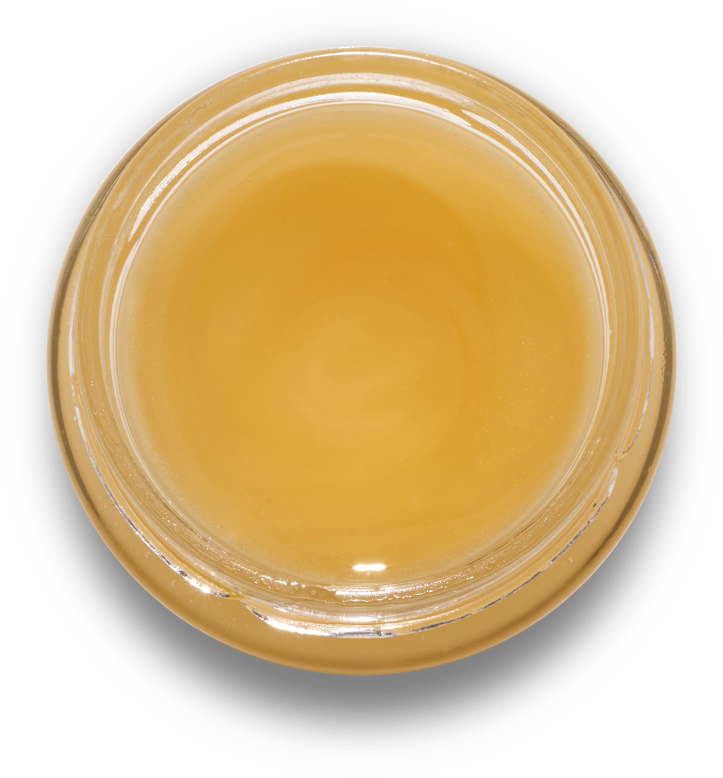
Honey comes in different consistencies. In fact, its natural crystallisation depends on its relative contents of glucose and fructose. In some types (acacia, forest and chestnut honey) a high concentration of fructose, very soluble in water, means that the honey naturally stays liquid for longer. Liquid honeys are ideal for adding to cold or warm drinks, for example.
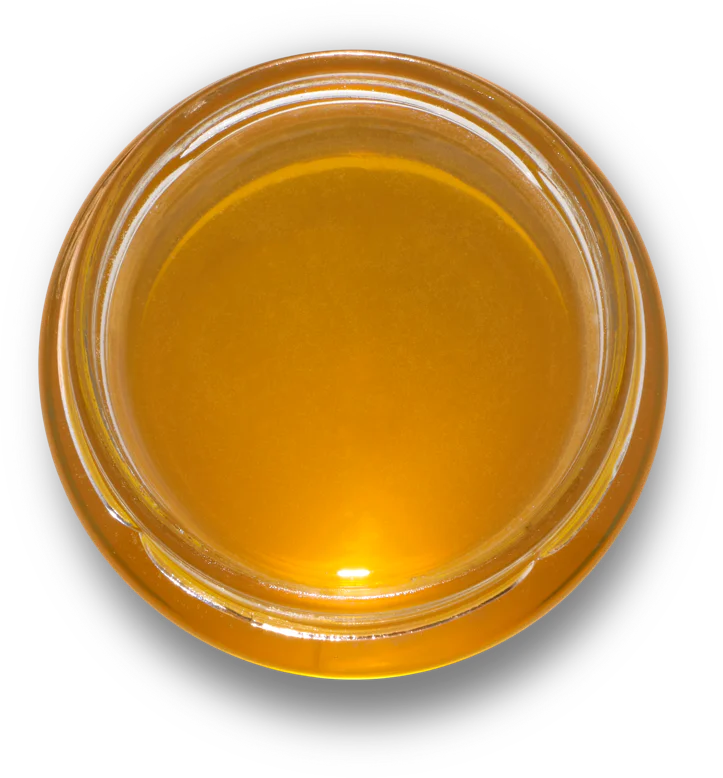
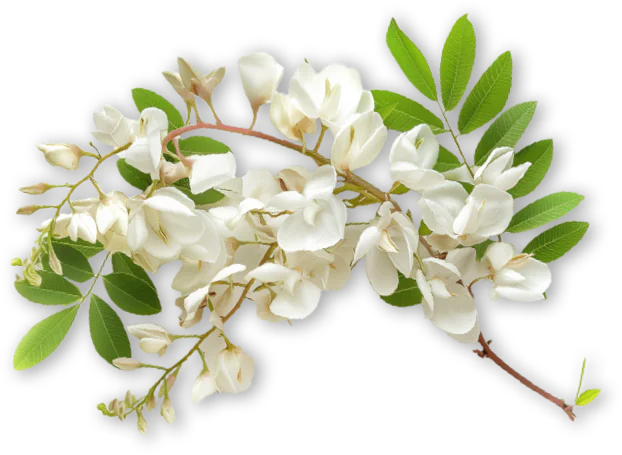
Acacia honey
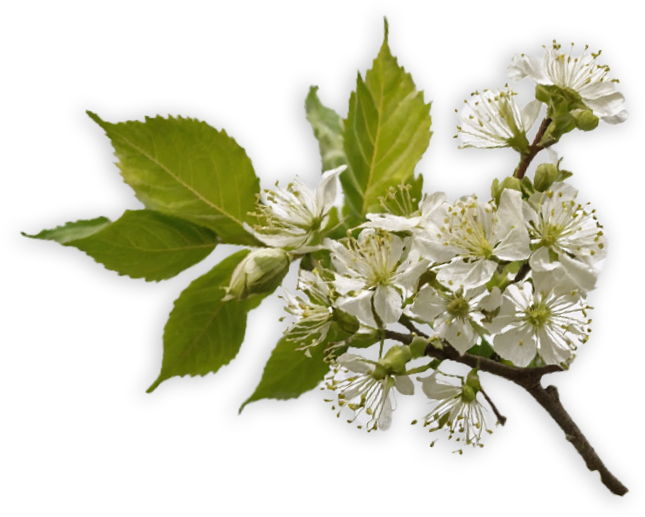
In the springtime, more or less in May, falsa acacia trees – scientific name Robinia Pseudoacacia L. – are covered with white flowers, used by bees to make this choice honey.
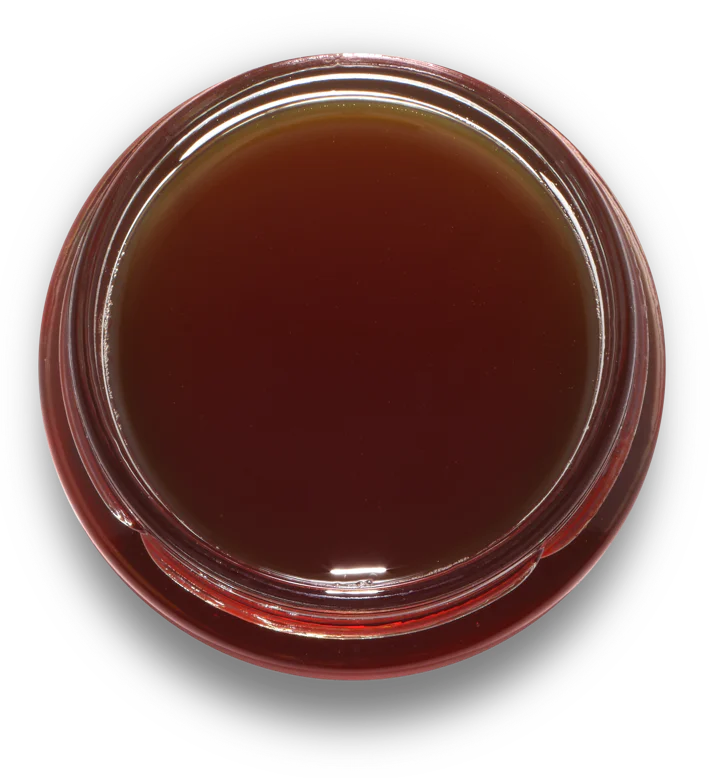
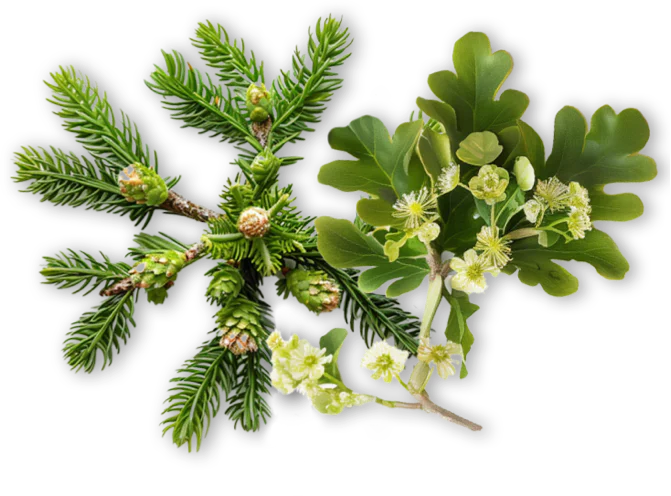
Forest Honey
Also known as honeydew honey, this is the only variety derived not from flower nectar but from honeydew, a sugary substance secreted by insects such as citrus flatid planthoppers or other Auchenorrhyncha Hemipterans leafhoppers that suck the sap from trees and absorb its nitrogenous substances.
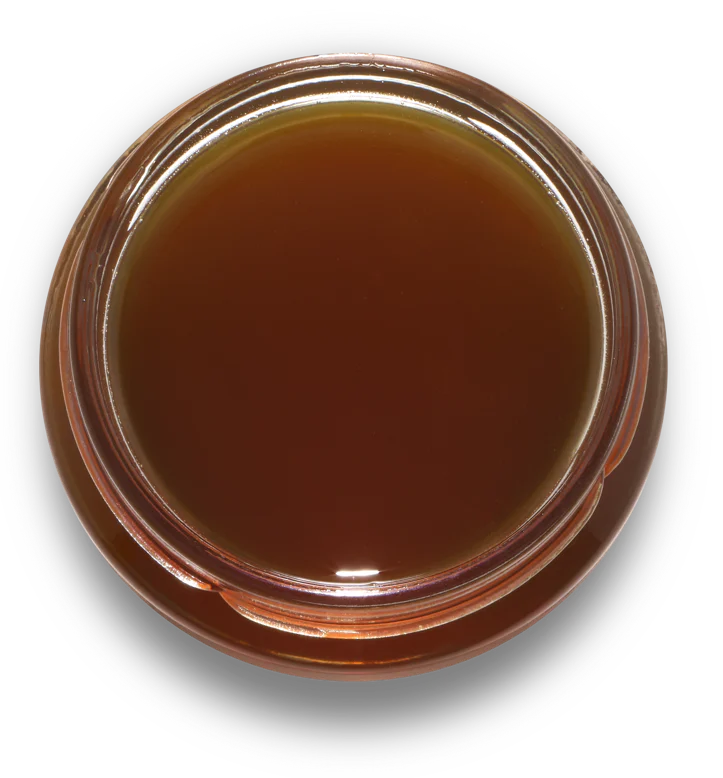
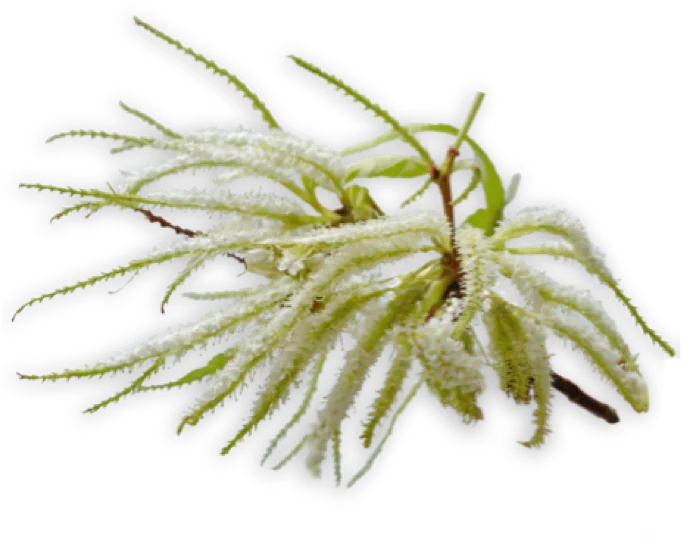
Chestnut Honey
It’s harvested in the chestnut groves of the Alps and Apennines, mainly in late summer.
Crystallised Honey
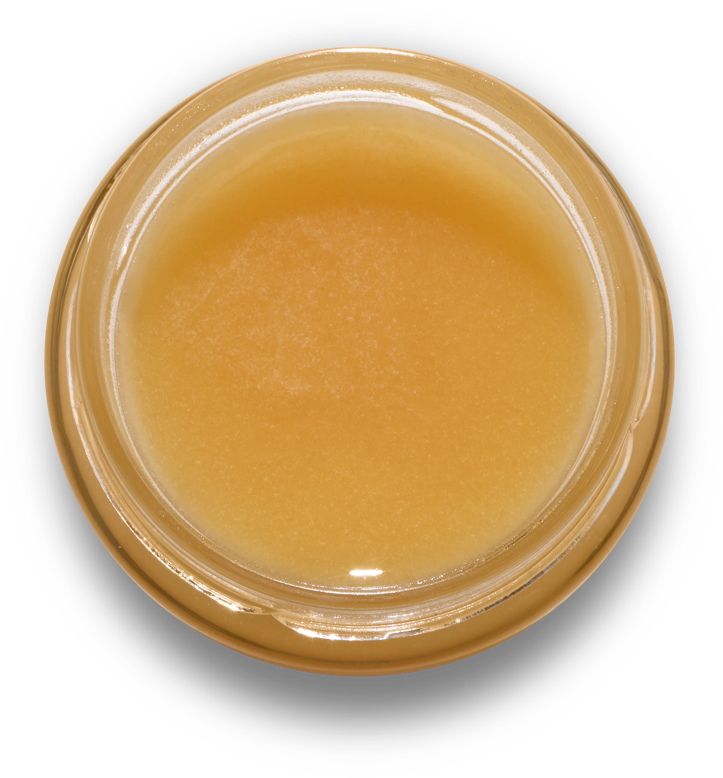
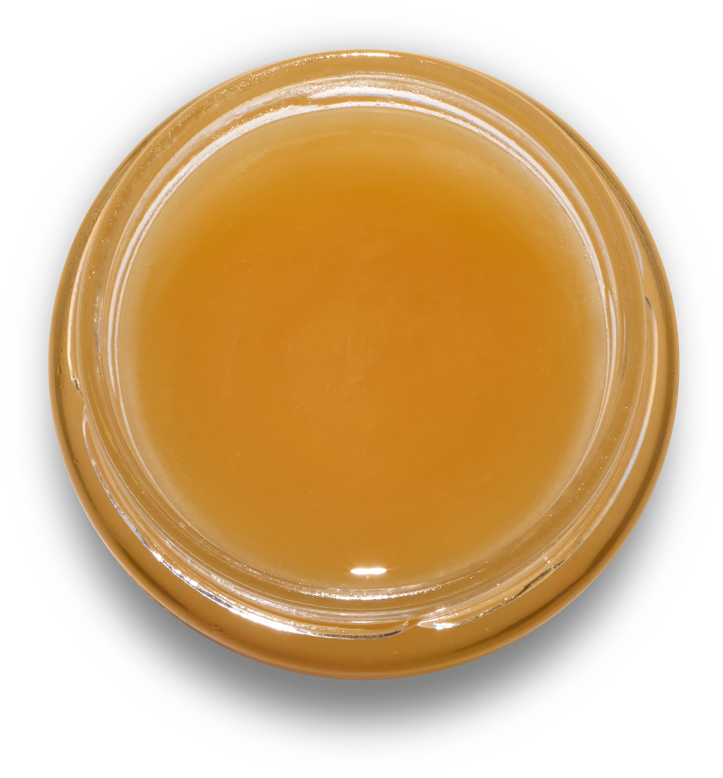
Crystallisation makes the honey’s consistency more and more creamy, and it eventually solidifies completely. Honeys containing more glucose, which has relatively poor solubility in water, naturally tend to solidify more easily. Creamy honeys are ideal for spreading on bread or eating with cheese, for example.
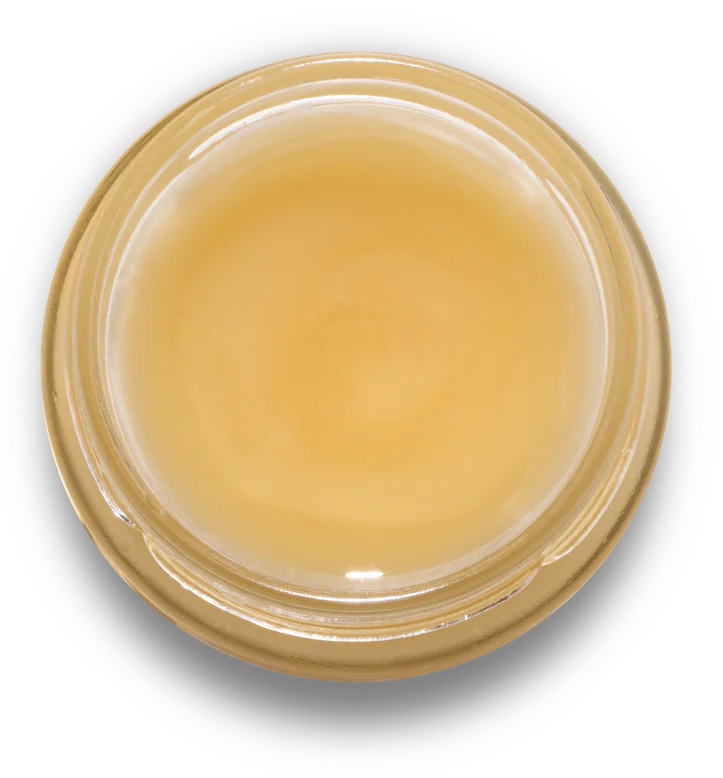
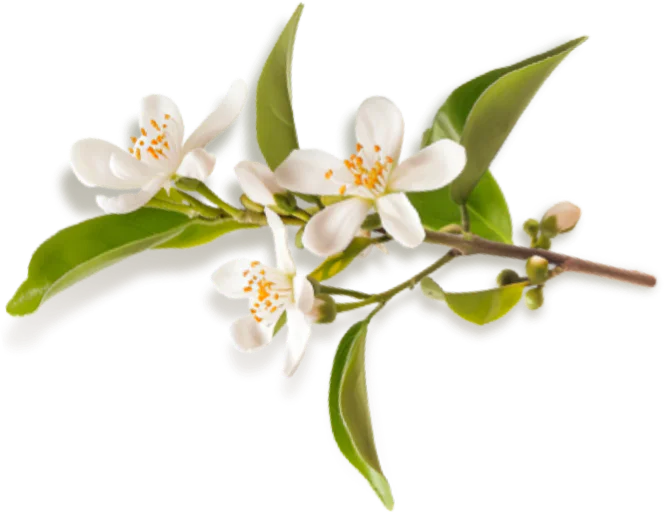
Orange Honey
One of the most highly prized monofloral honeys due to its strong, fine aroma that resembles that of the orange blossom from which it is made.
Collected in spring and early summer in southern mainland Italy and on the Italian islands.
Coriander Honey
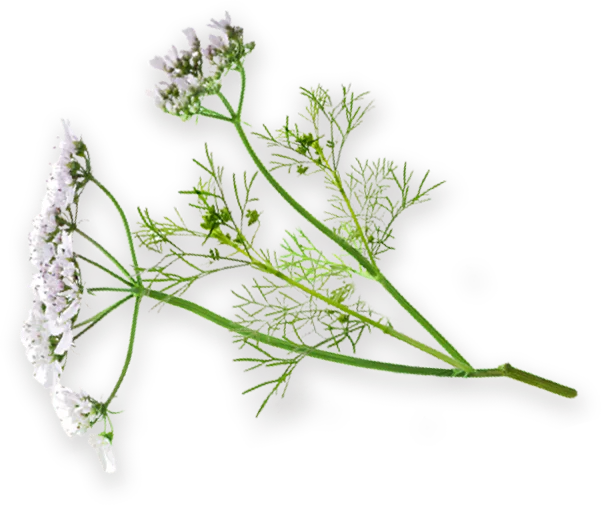
An aromatic medicinal herb from the Apiaceae family, it produces a large amount of nectar, making it very popular with bees. In Italy, the monofloral honey is made above all in the regions where this crop is most widely grown: Marche, Emilia Romagna and Abruzzo. Collected from May to July, during the flowering period.
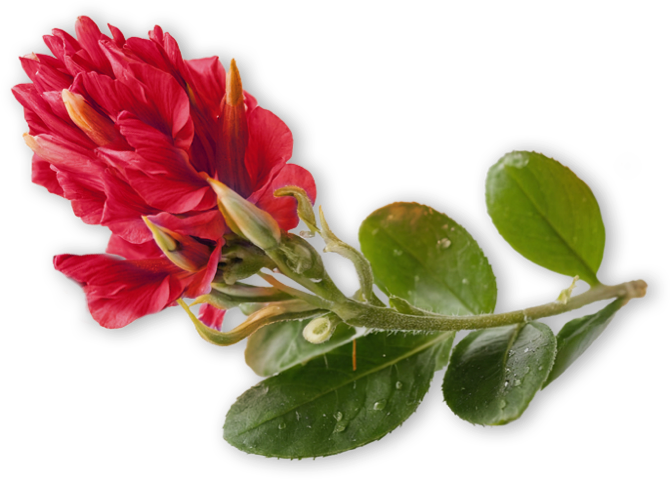
Strawberry Tree Honey
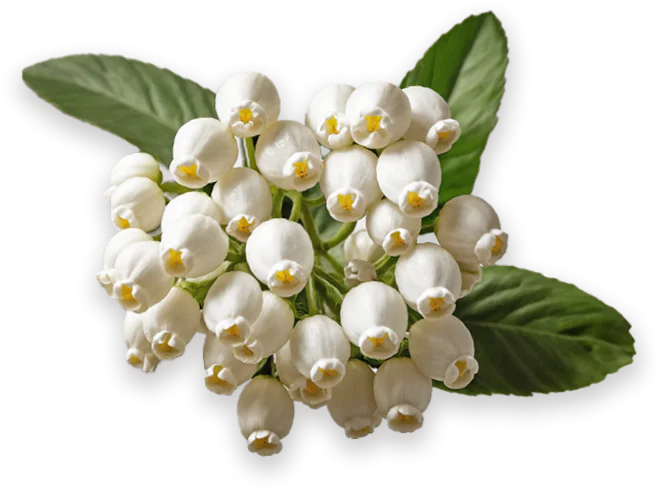
This small, bushy tree has evergreen leaves and spherical yellowish-white flowers, which appear from October to January. Its ideal habitat is the Mediterranean maquis (Tuscany and Sardinia) and its nectariferous flowers attract bees at times of year when few other flowers are available.
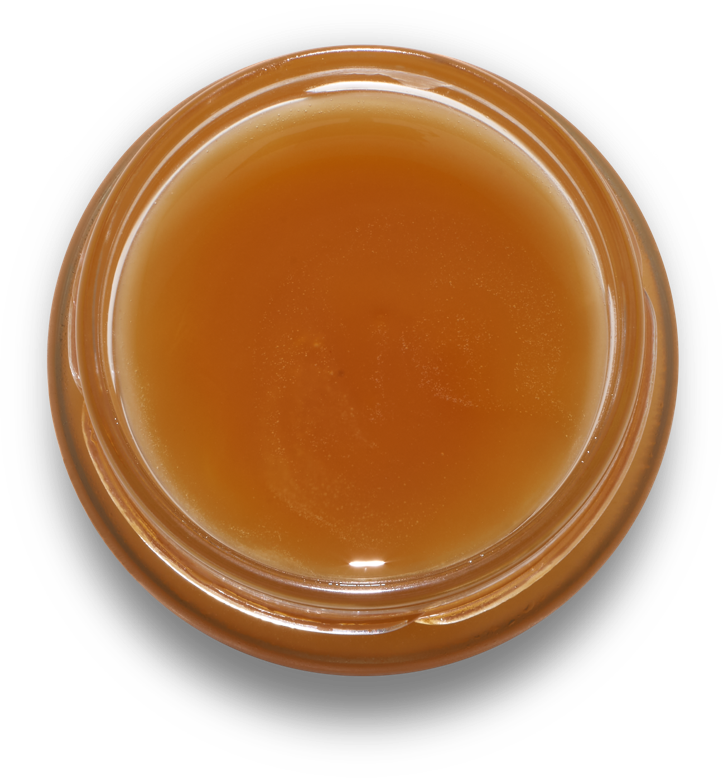
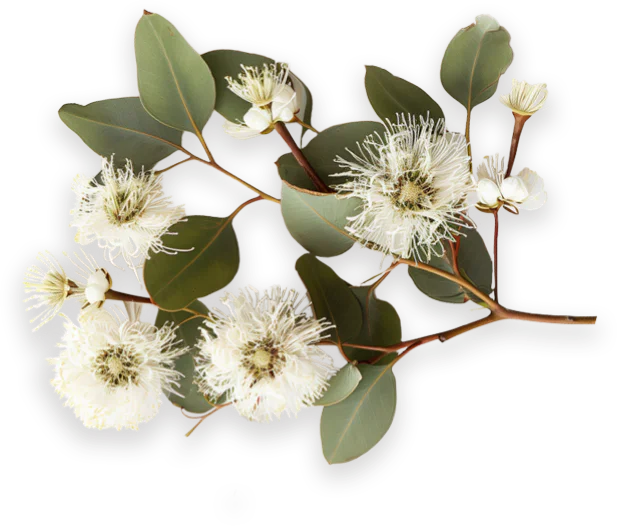
Eucalyptus Honey
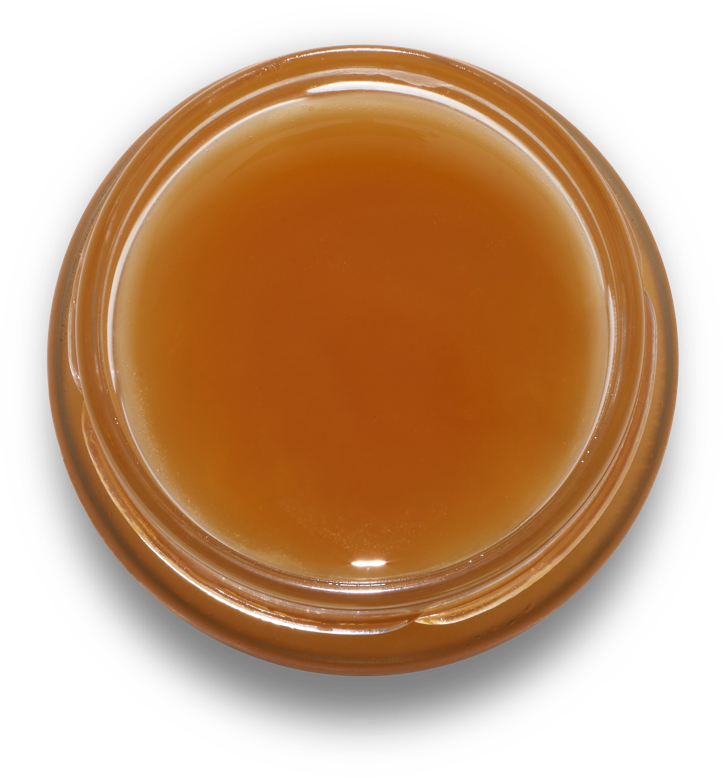
This honey has a strong, warm, distinctive aroma with overtones of dried mushrooms. It has a slight fragrance of liquorice with subtle smokey hints.
Collected during summer and autumn in central-southern mainland Italy and on the Italian islands.
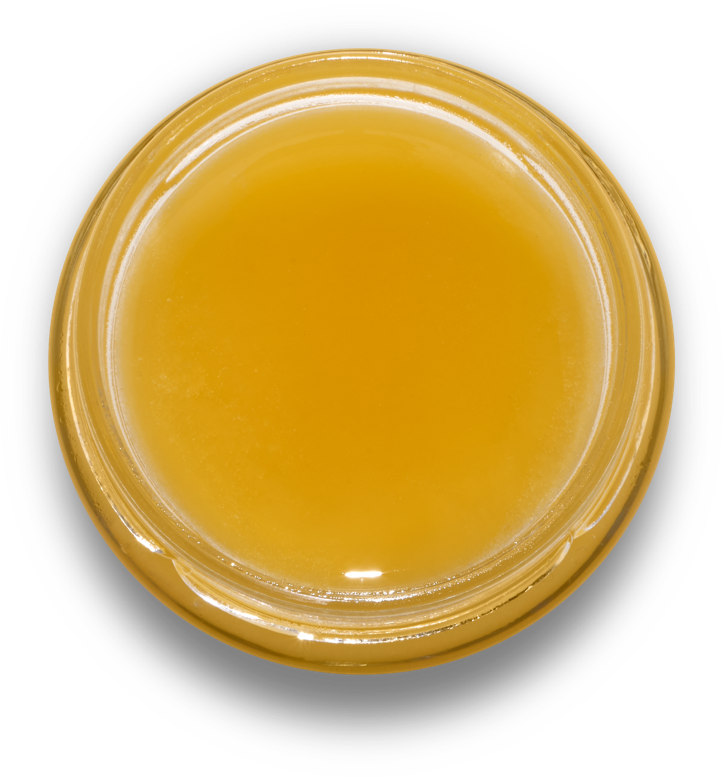
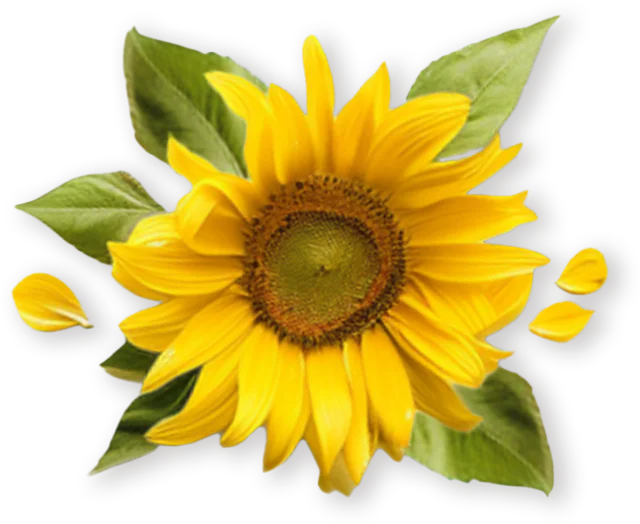
Sunflower Honey
With a distinctive sunny egg-yolk yellow colour, this is a very fresh, slightly sour honey with notes of sage and apricot compote and a final impression of pineapple and candied mango.
Collected in summer in central and southern Italy.
Sulla Honey
Sulla grows plentifully in central and southern Italy and is found virtually nowhere else, so all honeys containing sulla are almost certainly of Italian origin. Collected in late spring and summer.
Lime Honey
Characterised by a fragrant, strong aroma of mint and sage, with herbal overtones. Tilia spp. (Tiliaceae family) is a tree known for its flowers, which hang downwards, making it difficult for bees to harvest their nectar. The honey is collected in spring and summer, and lime trees are found throughout mainland Italy.
Wildflower Honey
The sum product of many honeys, as numerous as the combination of flowers from which bees collect nectar. Wildflower honeys will thus differ in consistency, staying liquid for longer or else crystallising quickly, depending on the percentage of acacia, chestnut or forest honey present. This honey is the truest expression of the land that yields it, embodying all its aromas, colours and flavours.
Our honey isn’t pasteurised
We process honey at low temperatures not exceeding 38 °C, the maximum temperature found in hives, to ensure all its qualities are conserved intact.
Organic honey
All our beekeepers adopt the best techniques and practices as they tend their bees every day. Choosing an organic honey means opting for a type of beekeeping in which all phases of production, from bee management to packaging, are guaranteed compliant with certified environmental standards.
Honey, a story with very ancient roots
Between 30 and 50 million years ago
The first bees appeared on Earth
About 10,000 years ago
The first rock paintings showing people using honey were made
From the C15th
Honey experienced a decline as sugar was adopted, coming back into fashion in the C19th
From the 1970s
The definition of monofloral honeys began
The honey supply chain
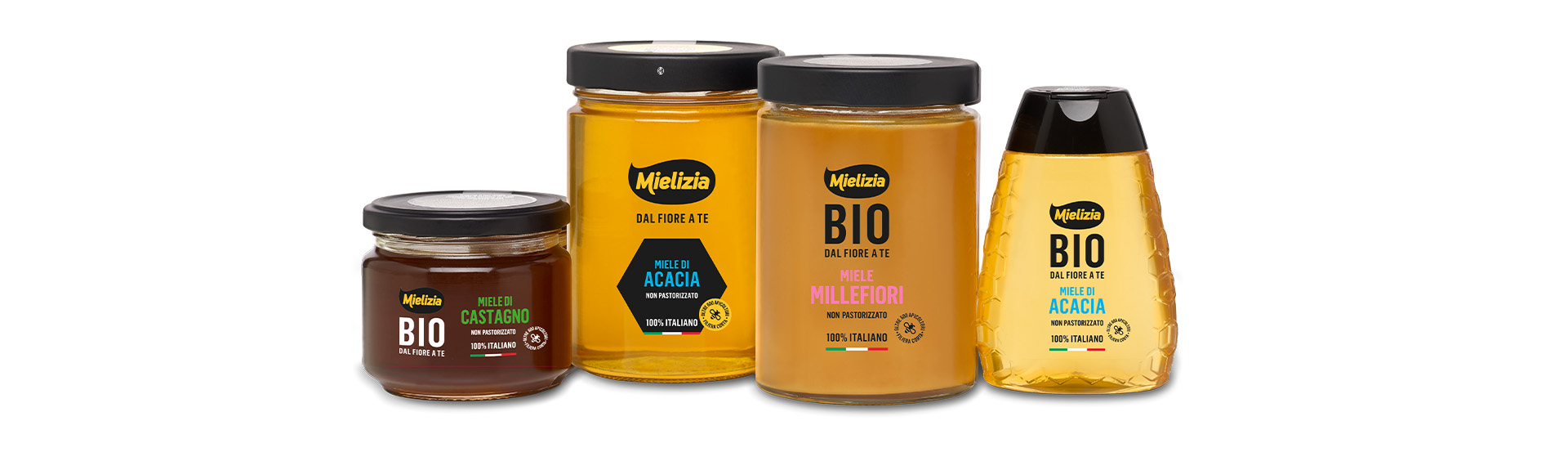
Mielizia honeys are the tangible result of the CONAPI “honey supply chain” model, which runs from selection of the areas of origin to production in the apiary, followed by packaging and marketing and sale of the end product.